
The Construction Challenge
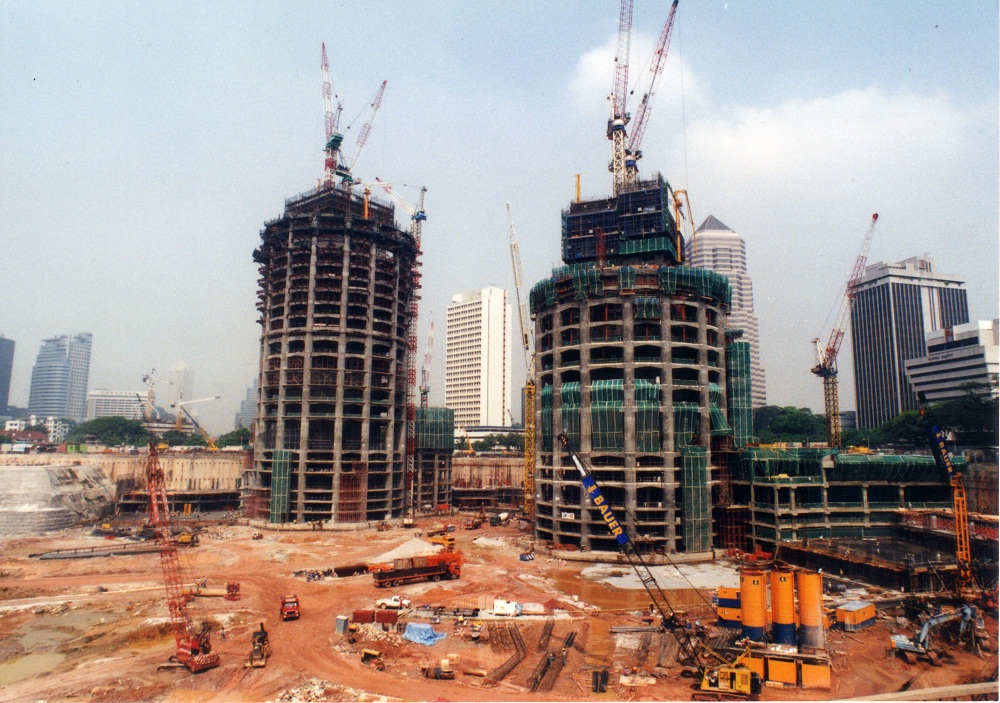
The construction of the Petronas Twin Towers represented one of the most ambitious building projects ever undertaken. The scale and complexity of the project required unprecedented coordination between multiple international contractors, engineers, and consultants. The construction process pushed the boundaries of what was possible in high-rise construction, requiring innovative techniques and technologies to overcome the numerous challenges presented by building structures of such unprecedented height.
The construction timeline was aggressive, with the goal of completing the towers within a relatively short timeframe. This required careful planning, efficient construction methods, and the ability to work around the clock. The project employed thousands of workers from multiple countries, creating a truly international construction effort that demonstrated Malaysia's ability to coordinate complex international projects.
Safety was a paramount concern throughout the construction process. Building structures of this height required strict safety protocols and constant vigilance. The construction teams implemented comprehensive safety programs that included regular training, safety inspections, and emergency response procedures. Despite the project's scale and complexity, the construction was completed with an excellent safety record, demonstrating the effectiveness of these safety measures.
Foundation and Site Preparation
The construction process began with extensive site preparation and foundation work. The soft ground conditions in Kuala Lumpur presented significant challenges, requiring the deepest foundations ever constructed at that time. The foundation work involved excavating massive amounts of soil and rock, then constructing reinforced concrete foundations that would support the tremendous loads imposed by the towers.
The foundation construction was a complex process that required careful coordination between excavation, concrete placement, and quality control. The foundations needed to be constructed to exacting standards, as any defects could compromise the entire structure. The construction teams worked around the clock to complete the foundation work, using advanced concrete placement techniques and extensive quality control measures.
The completion of the foundation work marked a major milestone in the project, as it established the base upon which the entire structure would be built. The quality of the foundation work was essential to the success of the entire project, and the construction teams' attention to detail during this phase helped ensure that the towers would be built on a solid and reliable foundation.
The Competition Between Contractors
One of the most unique aspects of the Petronas Twin Towers construction was the decision to have two different contractors build the towers simultaneously. Tower 1 was constructed by Hazama Corporation, a Japanese construction company with extensive experience in high-rise construction. Tower 2 was built by Samsung C&T, a South Korean construction firm also known for its expertise in large-scale projects.
This arrangement created a friendly but intense competition between the two construction teams, each striving to complete their tower first while maintaining the highest quality standards. The competition helped accelerate the construction timeline, as both teams were motivated to work efficiently and overcome obstacles quickly. This approach demonstrated Malaysia's innovative thinking in project management and its willingness to use competition as a tool for achieving excellence.
Despite the competitive nature of the arrangement, the two construction teams also collaborated when necessary, sharing knowledge and techniques that benefited both projects. This combination of competition and collaboration created an environment that fostered both efficiency and quality, resulting in the successful completion of both towers within the project timeline.
Samsung's Victory
In the end, Samsung C&T completed Tower 2 ahead of Hazama Corporation's completion of Tower 1, winning the friendly competition between the two contractors. Samsung's victory was attributed to their efficient construction methods, effective project management, and ability to overcome technical challenges quickly. The company's success on this project helped establish its reputation as one of the world's leading construction firms capable of handling the most complex and demanding projects.
The competition between the two contractors, while friendly, was serious business. Both companies invested significant resources in ensuring their success, bringing their best teams and most advanced construction techniques to the project. The fact that both towers were completed successfully, with Samsung finishing slightly ahead, demonstrates the high quality of work from both contractors and the effectiveness of the competitive approach to project management.
The success of both construction teams on the Petronas Twin Towers project has had lasting impacts on their respective companies and on the construction industry as a whole. The techniques and approaches developed on this project have influenced subsequent high-rise construction projects around the world, demonstrating the project's contribution to advancing the state of the art in construction.
Construction Techniques and Innovations
The construction of the Petronas Twin Towers required numerous innovations in construction techniques and technologies. The height of the towers necessitated the use of advanced climbing formwork systems that could be raised as construction progressed. These systems allowed the construction teams to work efficiently at great heights while maintaining safety and quality standards.
Concrete placement at such heights presented significant challenges, requiring the development of specialized pumping systems capable of delivering concrete to the upper floors. The construction teams also had to develop methods for handling materials and equipment at great heights, requiring innovative crane systems and material handling techniques.
The construction process also involved extensive coordination between the various trades and consultants involved in the project. This required sophisticated project management systems and communication protocols to ensure that all parties worked together effectively. The success of this coordination effort was essential to the project's completion on time and within budget.
Quality Control and Testing
Throughout the construction process, extensive quality control measures were implemented to ensure that the built structure met all design requirements and performance standards. This included regular testing of materials, inspection of construction work, and verification that the construction matched the design documents. The quality control program was comprehensive, covering all aspects of the construction from foundation work to final finishes.
The construction teams worked closely with the design consultants to ensure that any issues that arose during construction were properly addressed. This collaboration between design and construction teams was essential to maintaining design quality while accommodating the realities of construction. The ability to resolve issues quickly and effectively helped keep the project on schedule and within budget.
The completion of the Petronas Twin Towers construction marked a major achievement in the history of high-rise construction. The project demonstrated that it was possible to build structures of unprecedented height and complexity while maintaining high quality standards and completing the work on schedule. The towers stand as a testament to the skill, dedication, and innovation of all those involved in their construction.