
Vision for Modern Malaysia
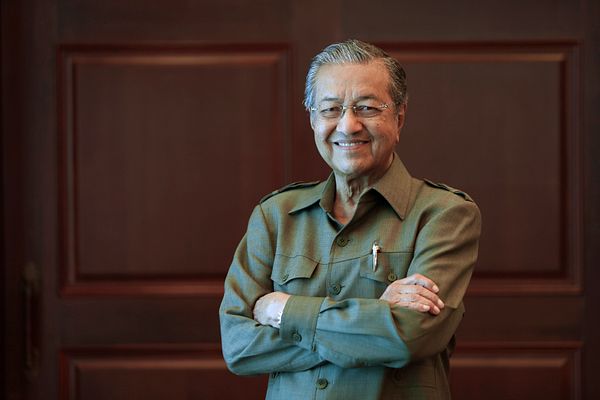
Dr. Mahathir Mohamad, who served as Prime Minister of Malaysia from 1981 to 2003, was the visionary leader behind many of Malaysia's modernization initiatives, including the Petronas Twin Towers project. His leadership during this period transformed Malaysia from a developing nation into one of Southeast Asia's most dynamic economies. The Petronas Twin Towers project was conceived as part of Mahathir's broader vision for Malaysia's development, representing the nation's ambition to achieve world-class status and to be recognized on the global stage.
Mahathir's vision for Malaysia, often referred to as "Vision 2020," aimed to transform the country into a fully developed nation by the year 2020. This vision included not just economic development but also the creation of symbols that would represent Malaysia's achievements and aspirations. The Petronas Twin Towers were conceived as one such symbol, a landmark that would demonstrate Malaysia's capability to undertake world-class projects and to compete with developed nations in terms of architectural and engineering achievement.
The decision to build the world's tallest twin towers was characteristic of Mahathir's ambitious approach to development. Rather than settling for modest achievements, he encouraged Malaysia to aim for world-class excellence in all endeavors. The Petronas Twin Towers project embodied this philosophy, demonstrating that Malaysia was capable of undertaking projects that would capture the world's attention and establish the country as a leader in architectural and engineering achievement.
Support for the Petronas Twin Towers Project
As Prime Minister, Mahathir provided crucial political and financial support for the Petronas Twin Towers project. His government recognized the project's potential to serve multiple purposes: providing modern office space for Petronas and other tenants, creating a symbol of national pride and achievement, and contributing to Kuala Lumpur's development as a world-class city. This support was essential for a project of such scale and ambition, which required significant investment and coordination between government agencies and private sector participants.
Mahathir's support for the project extended beyond financial backing to include his personal involvement in key decisions and his public advocacy for the project. He recognized that the towers would become symbols of Malaysia's development and that their success would reflect positively on the nation. His commitment to the project helped ensure that it received the resources and attention necessary for success.
The Prime Minister's support was also important in facilitating coordination between various government agencies involved in the project, from city planning authorities to regulatory agencies. His leadership helped ensure that the project could proceed efficiently through the approval and development process, avoiding delays that could have compromised the project's timeline or success.
Economic Development and National Pride
The Petronas Twin Towers project was part of Mahathir's broader strategy for economic development and nation-building. During his tenure as Prime Minister, Malaysia experienced rapid economic growth, transforming from an agricultural economy into a manufacturing and services-based economy. The towers were conceived as symbols of this economic transformation, representing Malaysia's emergence as a modern, industrialized nation capable of undertaking world-class projects.
Mahathir understood the importance of creating symbols that would inspire national pride and confidence. The Petronas Twin Towers were designed to be such symbols, landmarks that Malaysians could point to with pride as evidence of their nation's achievements. This focus on creating symbols of national achievement was part of Mahathir's broader approach to nation-building, which emphasized the importance of creating a sense of national identity and pride.
The economic impact of the Petronas Twin Towers project extended beyond the buildings themselves to include their contribution to Kuala Lumpur's development and Malaysia's tourism industry. The towers have become one of Malaysia's most visited tourist attractions, drawing millions of visitors annually and contributing significantly to the country's economy. This economic impact validates Mahathir's vision of using landmark projects to drive economic development.
International Recognition and Diplomacy
Mahathir recognized that the Petronas Twin Towers would bring international attention to Malaysia and help establish the country's reputation on the world stage. The towers' status as the world's tallest buildings at the time of their completion brought Malaysia unprecedented international recognition, helping to establish the country as a modern, forward-thinking nation capable of world-class achievement. This international recognition was important for Malaysia's diplomatic relations and its standing in the global community.
The Prime Minister used the Petronas Twin Towers as symbols of Malaysia's achievements in his international engagements, showcasing the towers as evidence of the country's development and capabilities. The towers became part of Malaysia's international identity, helping to shape how the country was perceived by the rest of the world. This use of architecture as a tool of diplomacy and international relations was characteristic of Mahathir's approach to leadership.
The international recognition brought by the Petronas Twin Towers has had lasting benefits for Malaysia, helping to attract foreign investment, tourism, and international business. The towers have become symbols not just of Malaysia's past achievements but of its potential for future growth and development. This lasting impact demonstrates the value of Mahathir's vision in creating landmarks that serve both practical and symbolic purposes.
Legacy and Impact
Dr. Mahathir Mohamad's support for the Petronas Twin Towers project demonstrates the importance of visionary leadership in creating landmark projects that serve both practical and symbolic purposes. His vision for Malaysia's development, his support for ambitious projects, and his understanding of the importance of creating symbols of national achievement were essential to the project's conception and success. The towers stand as a testament to his leadership and to his vision for Malaysia's future.
The Petronas Twin Towers have become one of Malaysia's most recognized symbols, representing the nation's achievements and aspirations. They stand as evidence of Malaysia's capability to undertake world-class projects and to compete with developed nations in terms of architectural and engineering achievement. This legacy reflects Mahathir's vision of Malaysia as a nation capable of world-class excellence.
Mahathir's contribution to the Petronas Twin Towers project, while less direct than that of architects or engineers, was no less important in ensuring the project's success. His vision, support, and leadership were essential to creating the conditions that made the project possible. The towers' success validates his approach to development and nation-building, demonstrating the value of ambitious vision combined with practical execution in creating landmarks that serve both practical and symbolic purposes.